


Featured Conservation Projects
Since 1993, the Jackson Hole One Fly Foundation has raised and funded over $2.8 million while joining matching funds from others to fund over $21.7 million — yielding total conservation funding of over $24.6 million for selected trout conservation projects.
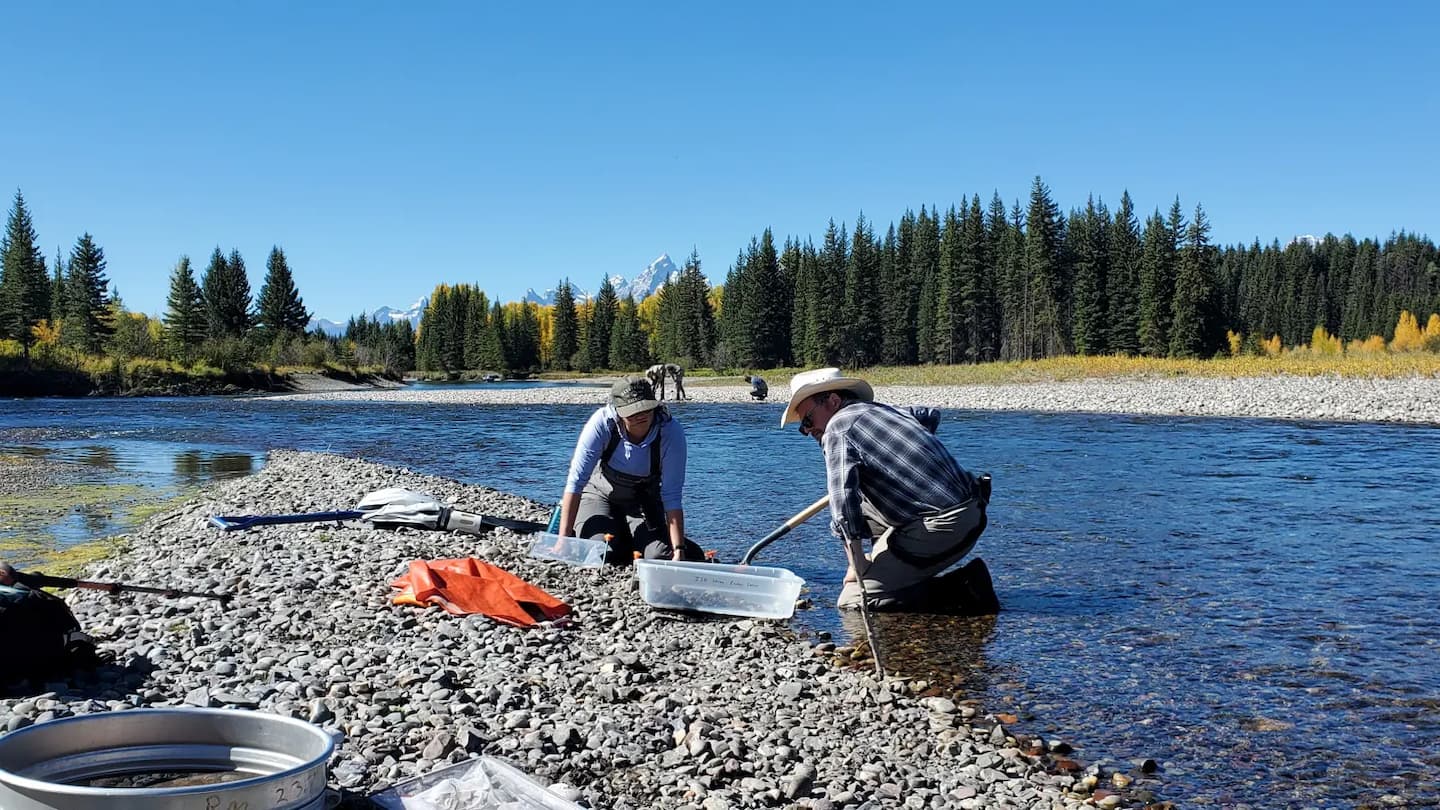
Investigating the Effect of Novel Lake Trout Suppression Techniques on the Food Web in Yellowstone Lake (WY)
Yellowstone cutthroat trout in Yellowstone Lake have been threatened for 30 years by a highly abundant invasive lak...

Canyon Creek Stream Restoration and Monitoring (MT)
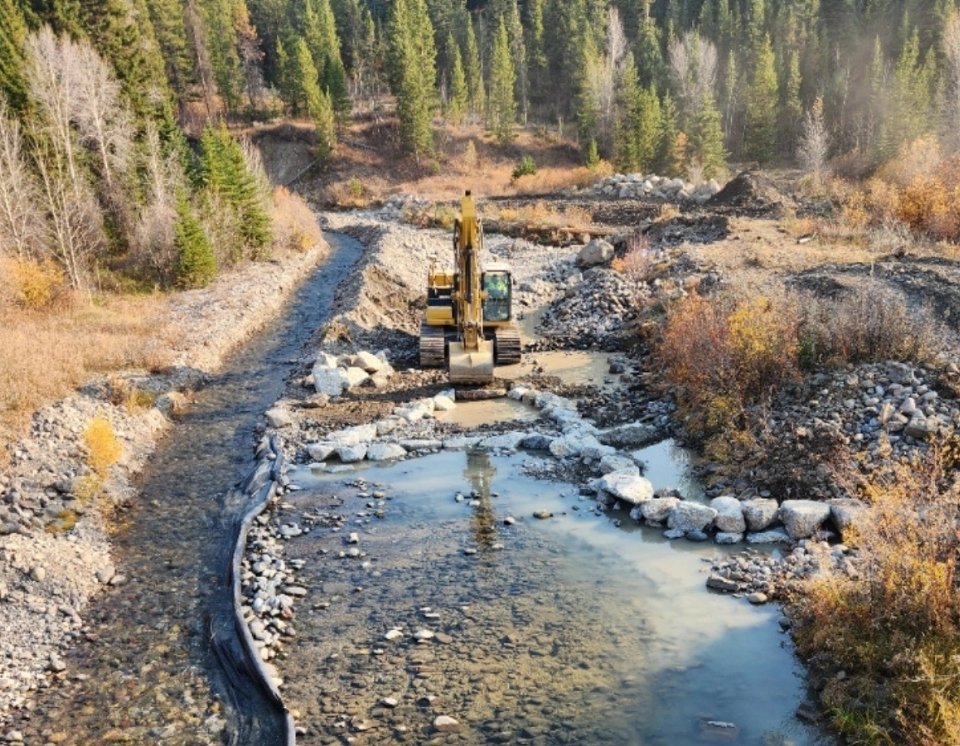
Canyon Creek is a tributary of the Shields River outside of Bozeman, Montana, at the northern-most range of Yellows...

Improving the Trail Creek Fish Ladder for YCT Migration (WY and ID)
FTR is working with the Trail Creek Sprinkler Company (TCSC) irrigators to improve fish passage and water delivery ...
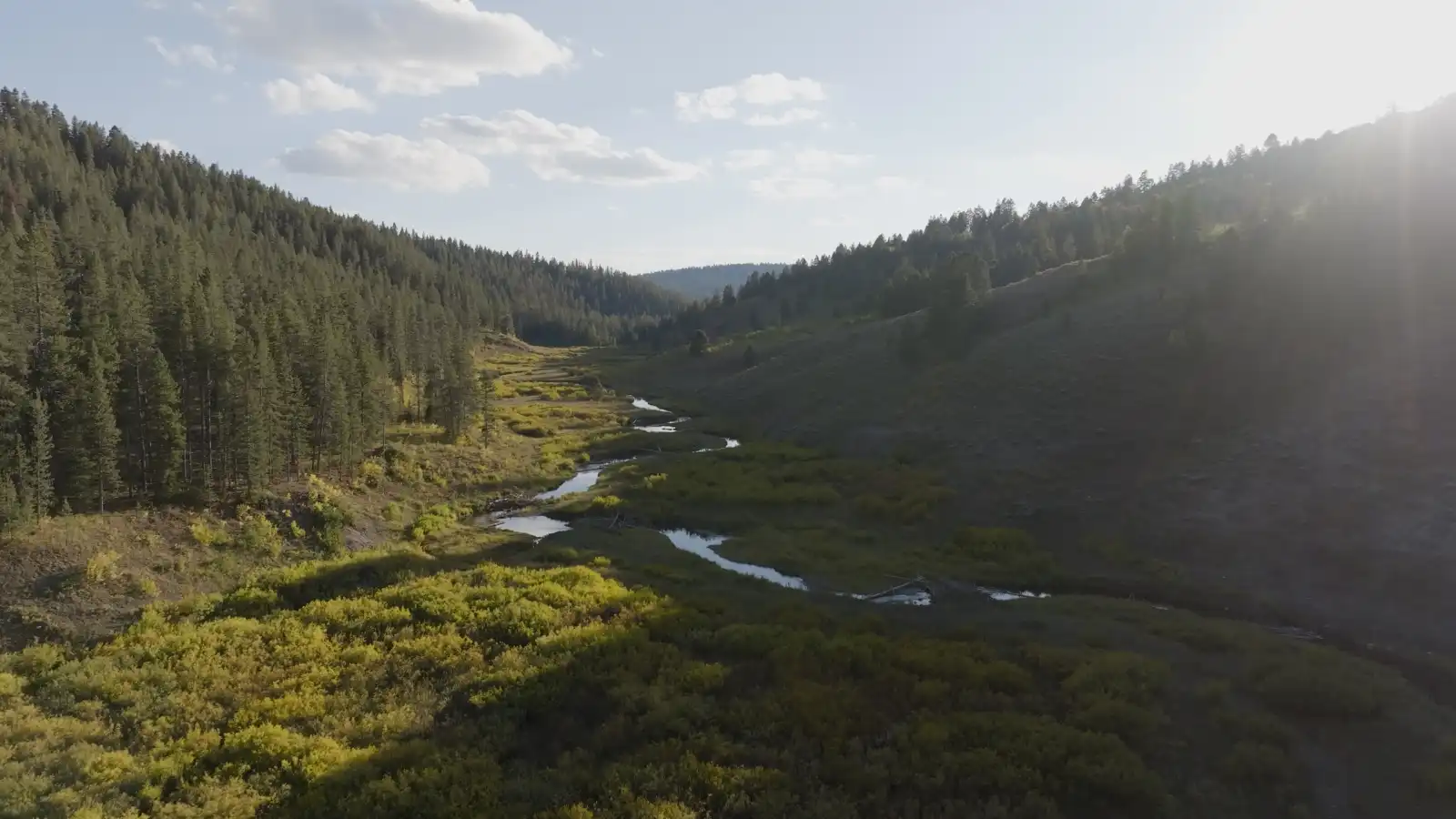
North Fork Tincup Creek Idaho Based Restoration Phase 2 (ID)
The proposed action is to improve 1.6 miles of North Fork Tincup Creek, beginning one valley mile above the North F...
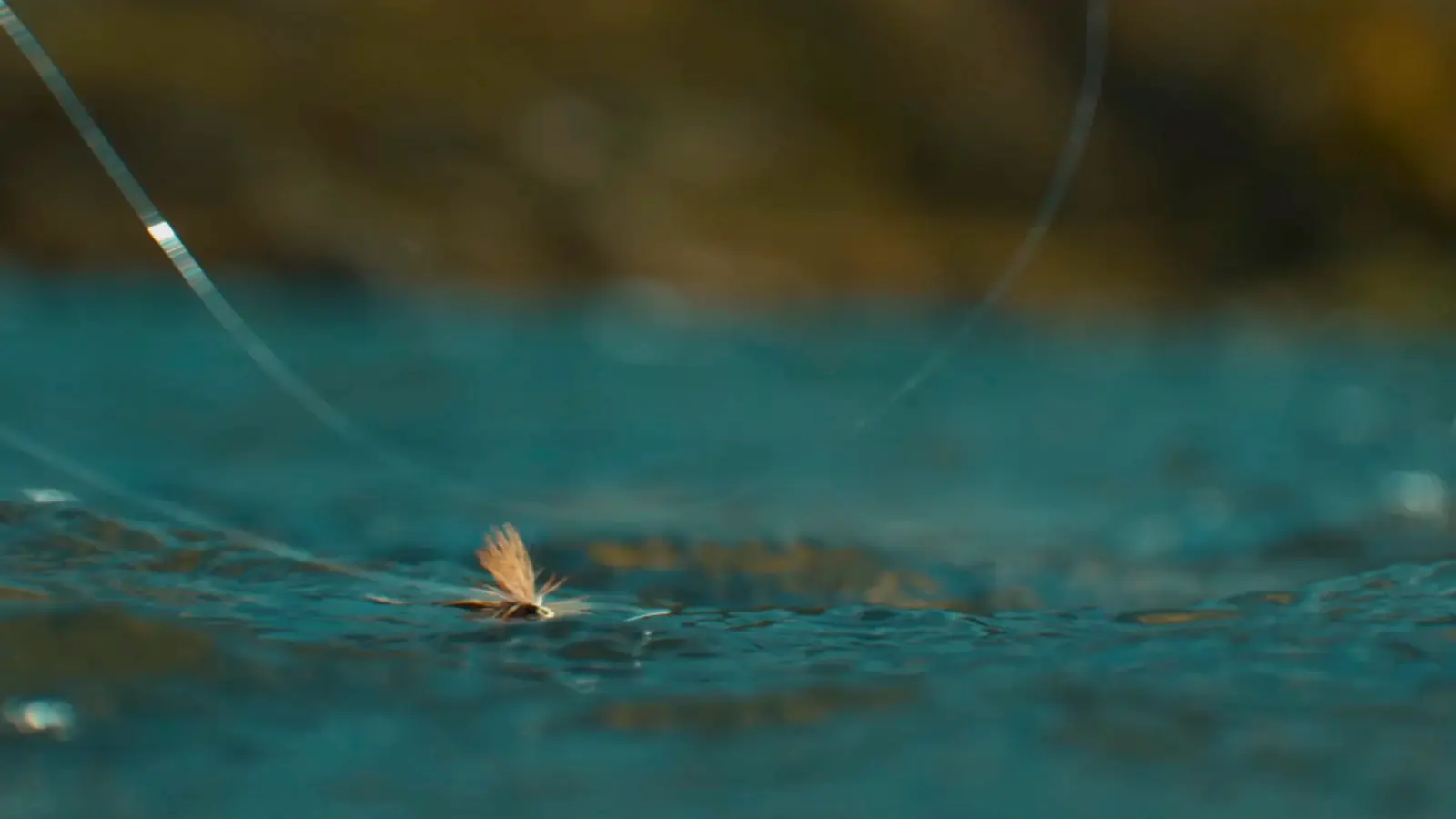
Iconic Rise Film (WY)
At a time when climate change, water temperatures, water management, in-stream flows, invasive species and fishing ...
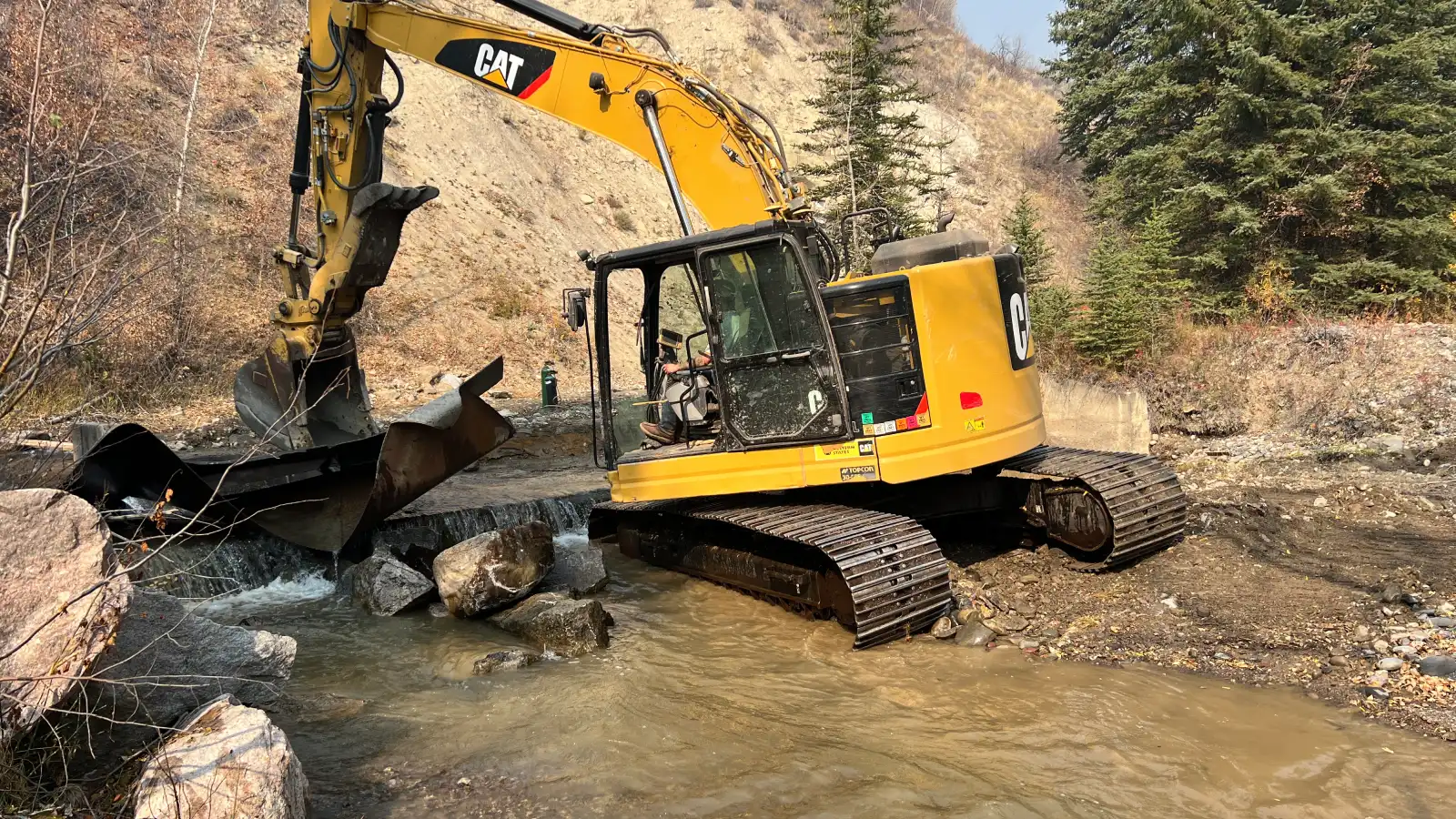
Rainey Creek Fish Passage Improvement Project (ID)
The South Fork Snake River and its tributaries are home to one of the largest populations of fluvial Yellowstone Cu...
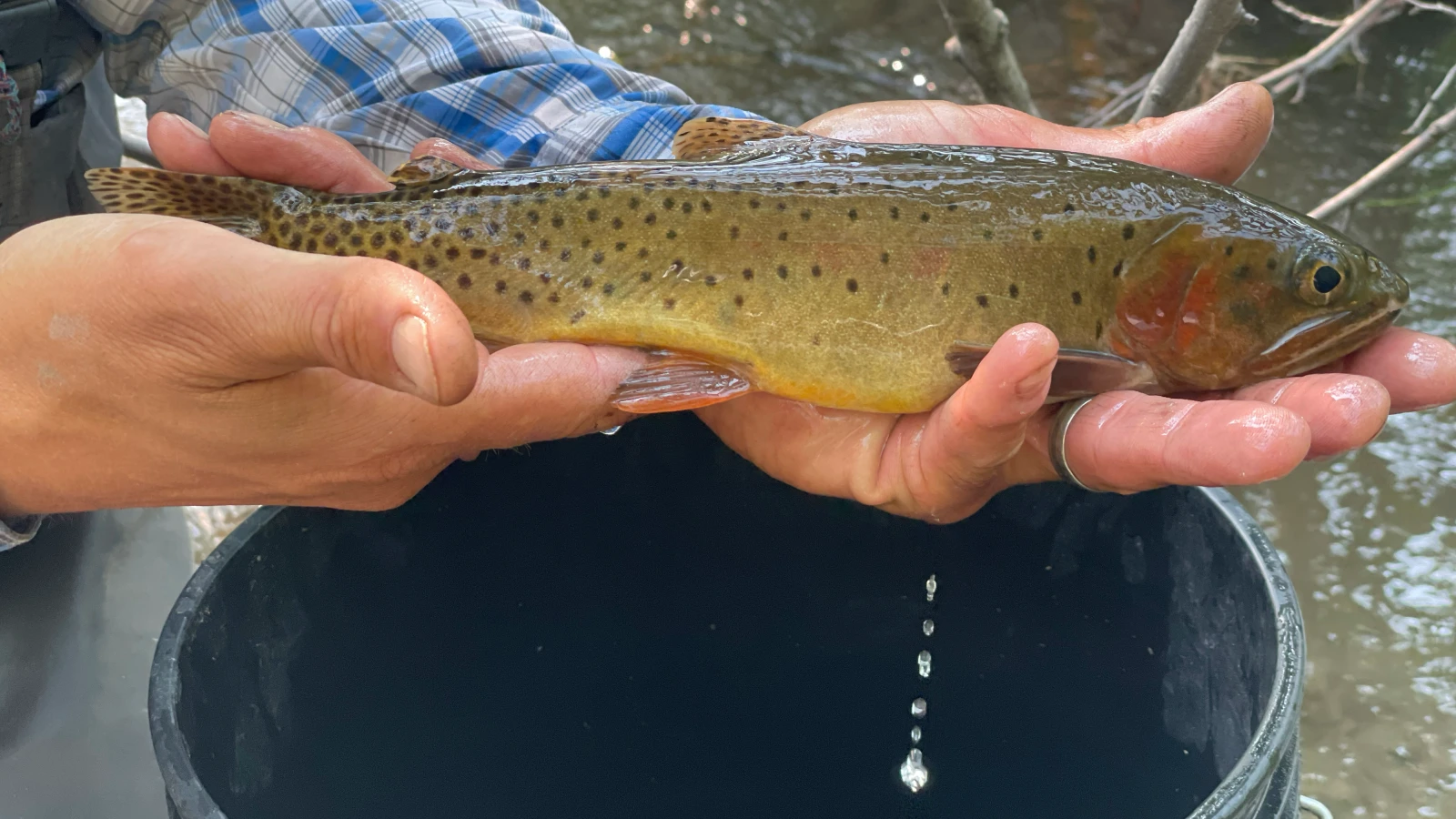
Dell and Jack Creeks Fish Passage(WY)
The Dell and Jack Creeks Fish Passage Project seeks to replace and improve multiple irrigation diversion structures...
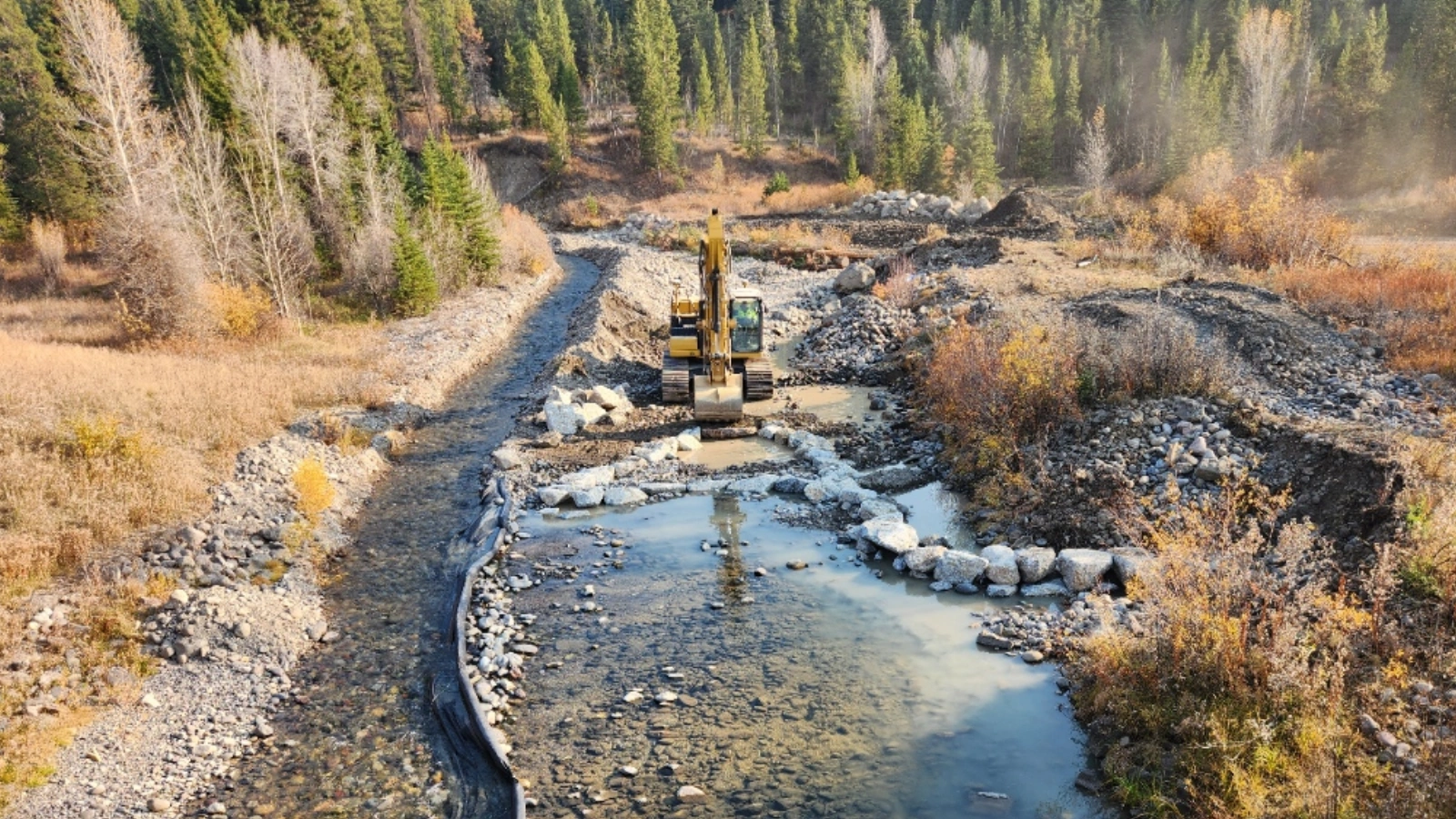
Blackrock Creek Bioengineered Stabilization and Habitat Improvement (WY)
Blackrock Creek is a Wild & Scenic freestone tributary of the Buffalo Fork, a major tributary to the Snake Rive...
Support One Fly Today!
Please donate to the conservation grants program to support trout habitat education, conservation, preservation & restoration projects.
Your contribution directly funds stream restoration, habitat improvement, water quality monitoring, and educational programs that benefit trout populations primarily in the Snake River Basin and Yellowstone Park headwaters. Since 1986, we’ve raised over $3.4 million for conservation, leveraging additional matching funds to create more than $27.9 million in total conservation impact.